Send the details
Complete the report without creating an account or installing an app.

Public honey bee swarm guidance
Keep people and pets at a safe distance. If the bees are gathered in a temporary cluster on a tree, fence, building, or other surface, send the location and a photo through our free swarm report form.
Recognize the situation
Honey bee swarms are often confused with established colonies, bumblebee nests, and wasps. Compare what you are looking at with the photographs below. Report the two marked “report this”; the rest are best handled another way.
Report this
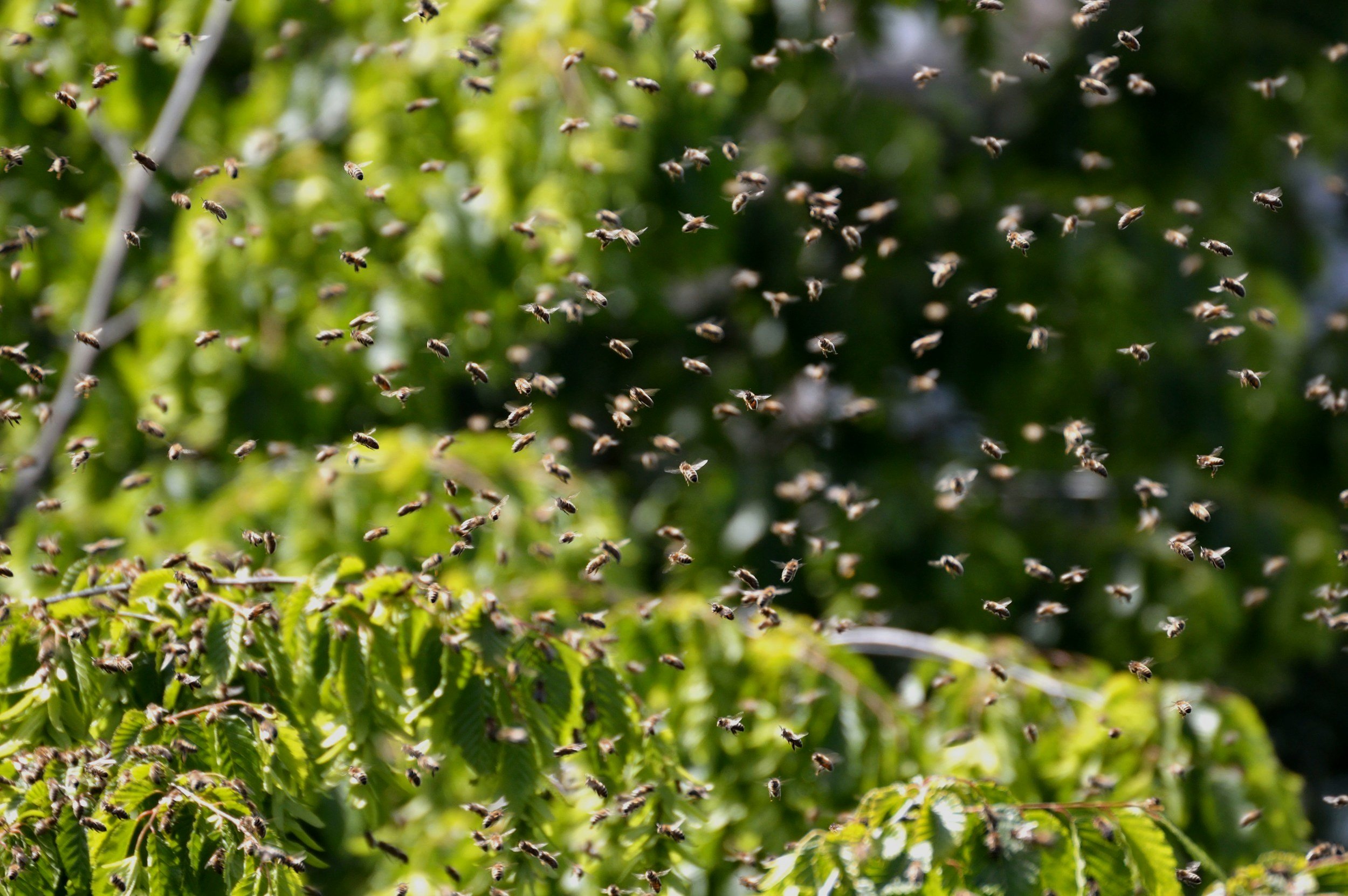
A swarm on the move can look like a drifting cloud of bees. It usually settles into a cluster nearby, so note where the bees land and report that location.
Report this
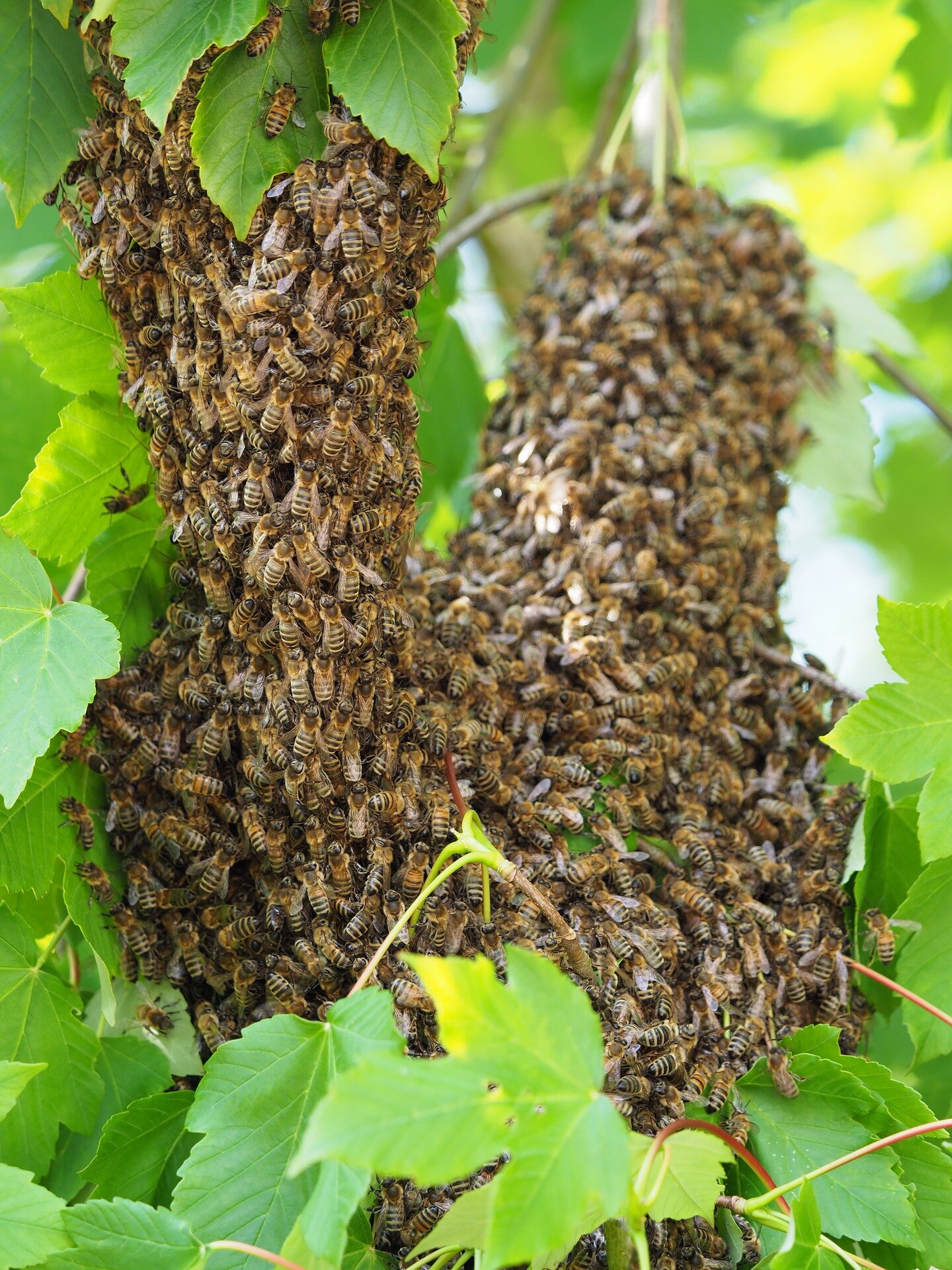
Thousands of honey bees gathered into one dense mass on a branch, fence, post, or wall, with no comb and no hive around them. This is the case shown at the top of the page, and it is the easiest kind to collect.
Not a swarm
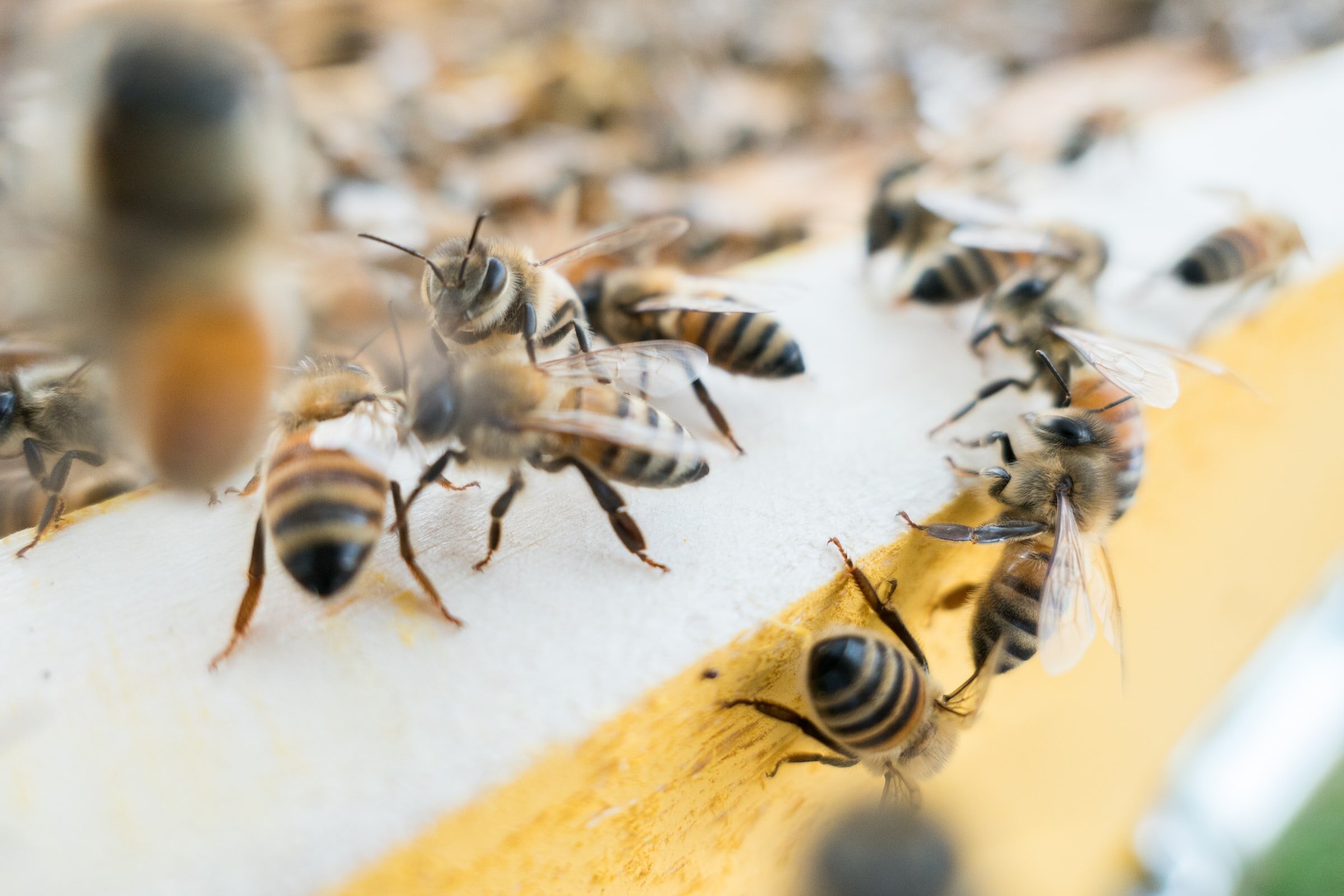
Bees flying in and out of a gap in a wall, roof, soffit, or tree cavity are an established colony living inside. That is a removal job for a professional rather than a swarm pickup.
Not a swarm
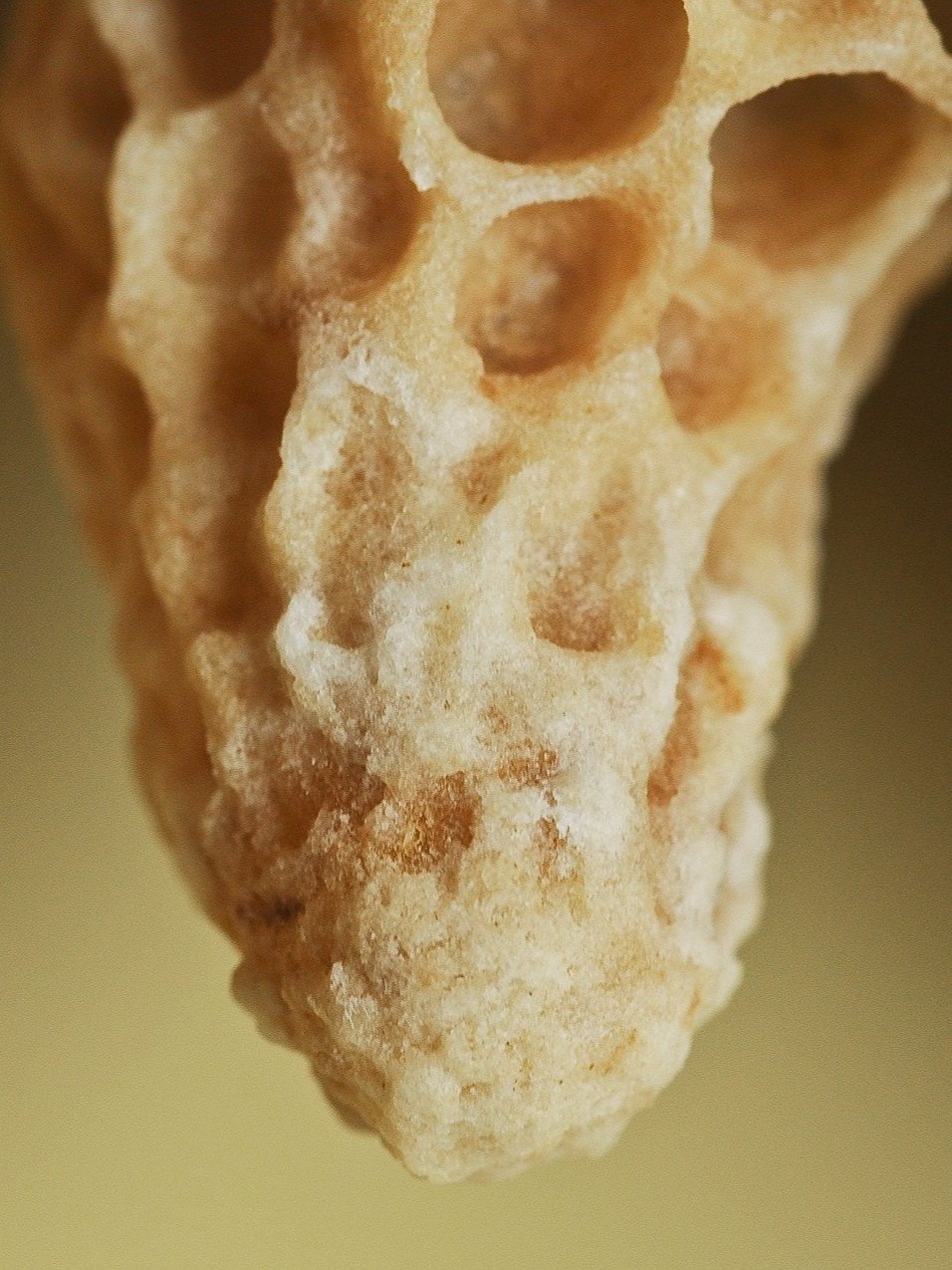
Once you can see pale wax comb, the colony has moved in and started building. An established colony cannot simply be lifted into a box the way a resting swarm can.
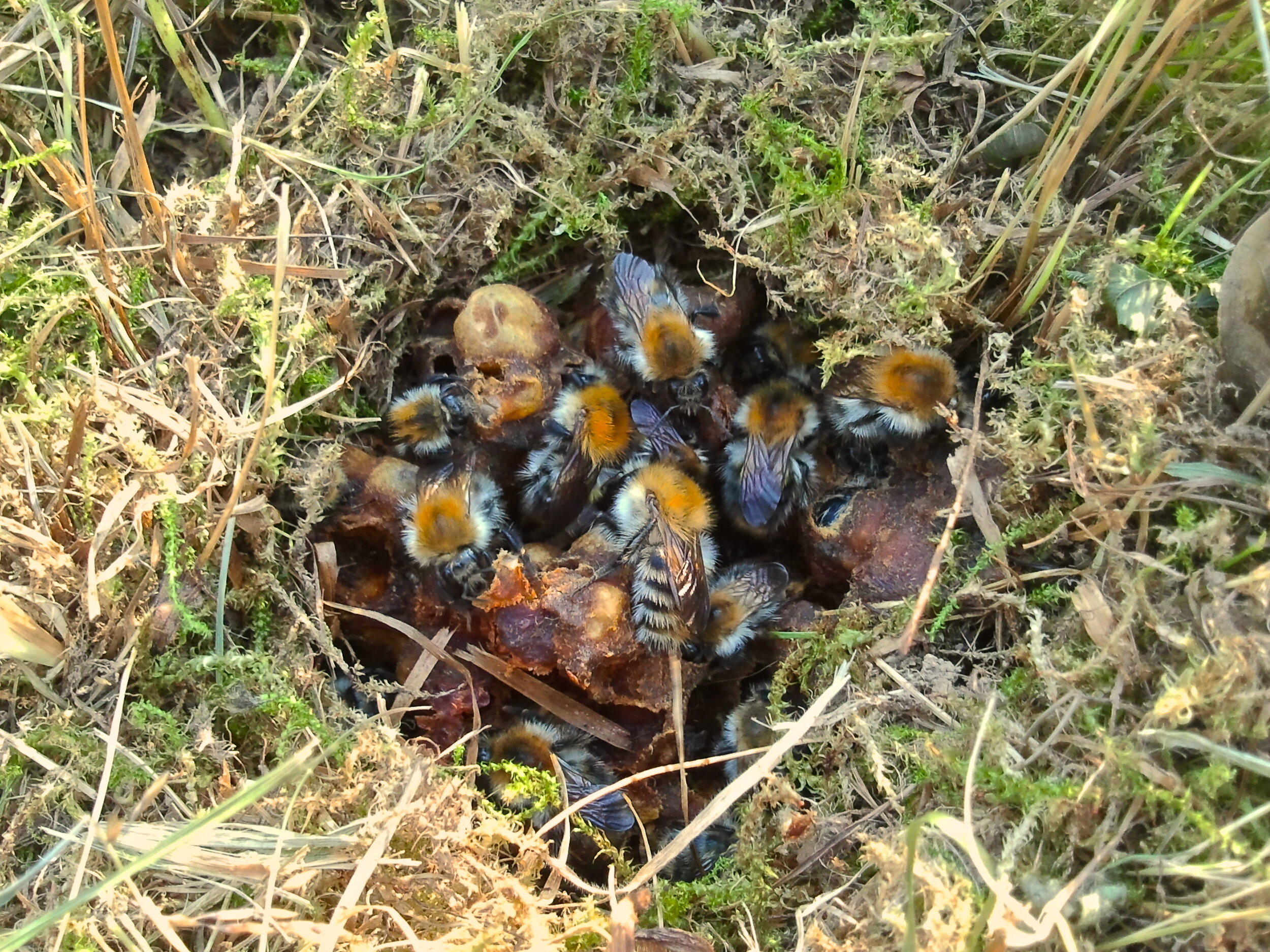
Not honey bees
Bumblebees, and wasps or hornets, nest in small numbers in cavities, compost, and old rodent burrows. They are valuable pollinators and are best left alone rather than reported as a honey bee swarm.
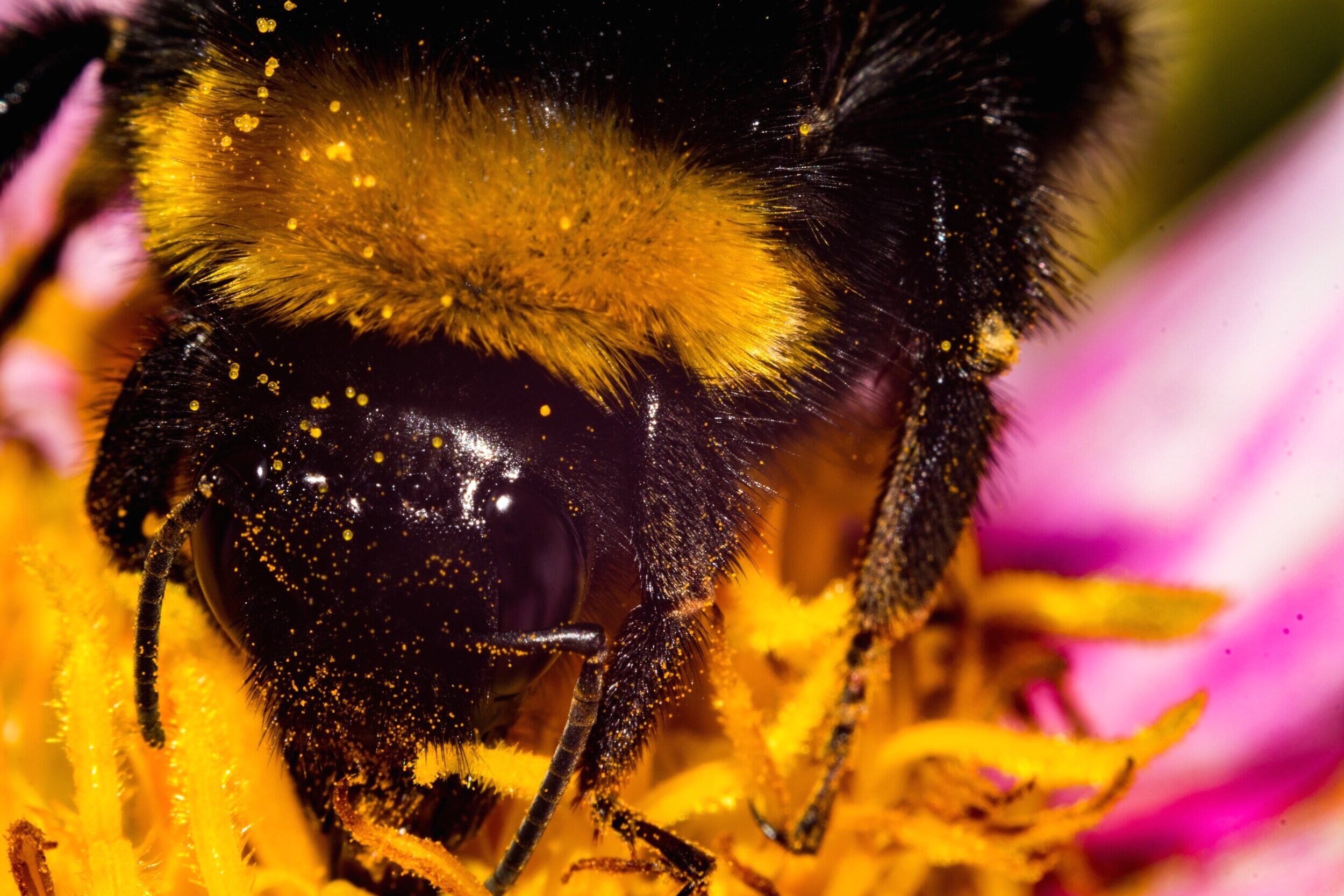
Not honey bees
Honey bees are slim and amber-brown. Round, very furry bees visiting flowers one at a time are bumblebees going about their day, not a swarm looking for a home.
Before you open the report
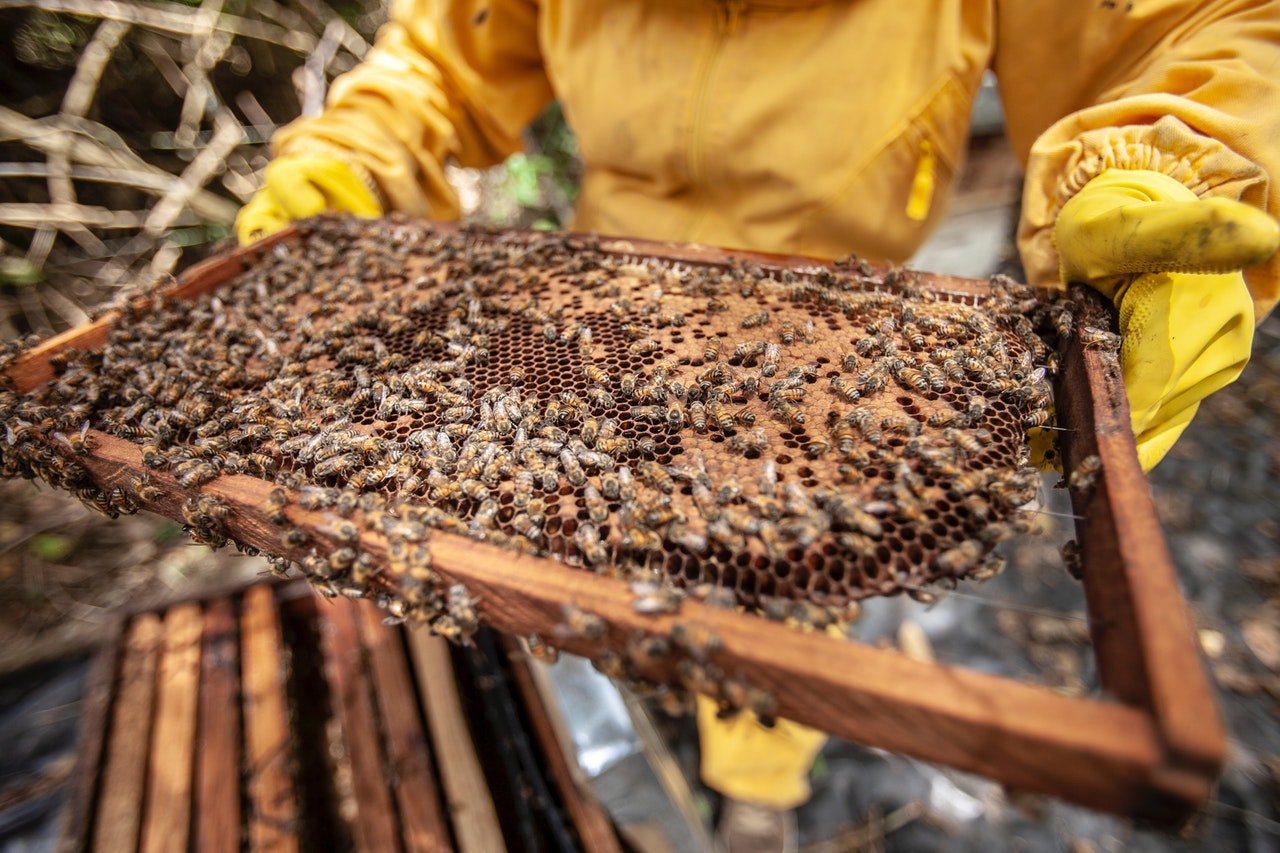
Height matters more than people expect. A cluster at head height can be collected in minutes, while one high in a tree may need equipment that not every beekeeper carries.
Free to report, free to have collected
Complete the report without creating an account or installing an app.
The information can be shared with participating beekeepers whose preferences match the report.
If someone is available to respond, they can use the submitted contact details to coordinate.
Nationwide, honestly described
Swarm reports are accepted from anywhere in the United States. A report is matched to the beekeepers on Swarmkeeper whose own distance and height preferences fit it, which is why the person who responds is usually nearby rather than dispatched from somewhere else.
Being honest about the limit matters more than claiming full coverage: response depends on a beekeeper being active near you. That network is densest around our Pacific Northwest home base, where the Society runs its teaching apiary and school programs, and it is growing everywhere Swarmkeeper is. If nobody can reach your swarm, your local county or state beekeeping association is the next call, and a swarm will usually move on by itself within a few days.
There is no charge either way. Paid services usually quote somewhere around $75 to $200 to collect an accessible swarm, and a good deal more once bees are established inside a structure. Plenty of beekeepers collect swarms for nothing, because a free swarm is a free colony — the difficulty is finding one who is free right now. That is the part we handle, and the bees are collected alive and rehomed into a hive rather than killed.
Before you report
Open the report form when you have the location, safe-distance photo, approximate height, and your contact details ready. Reporting is free, and there is nothing to install.
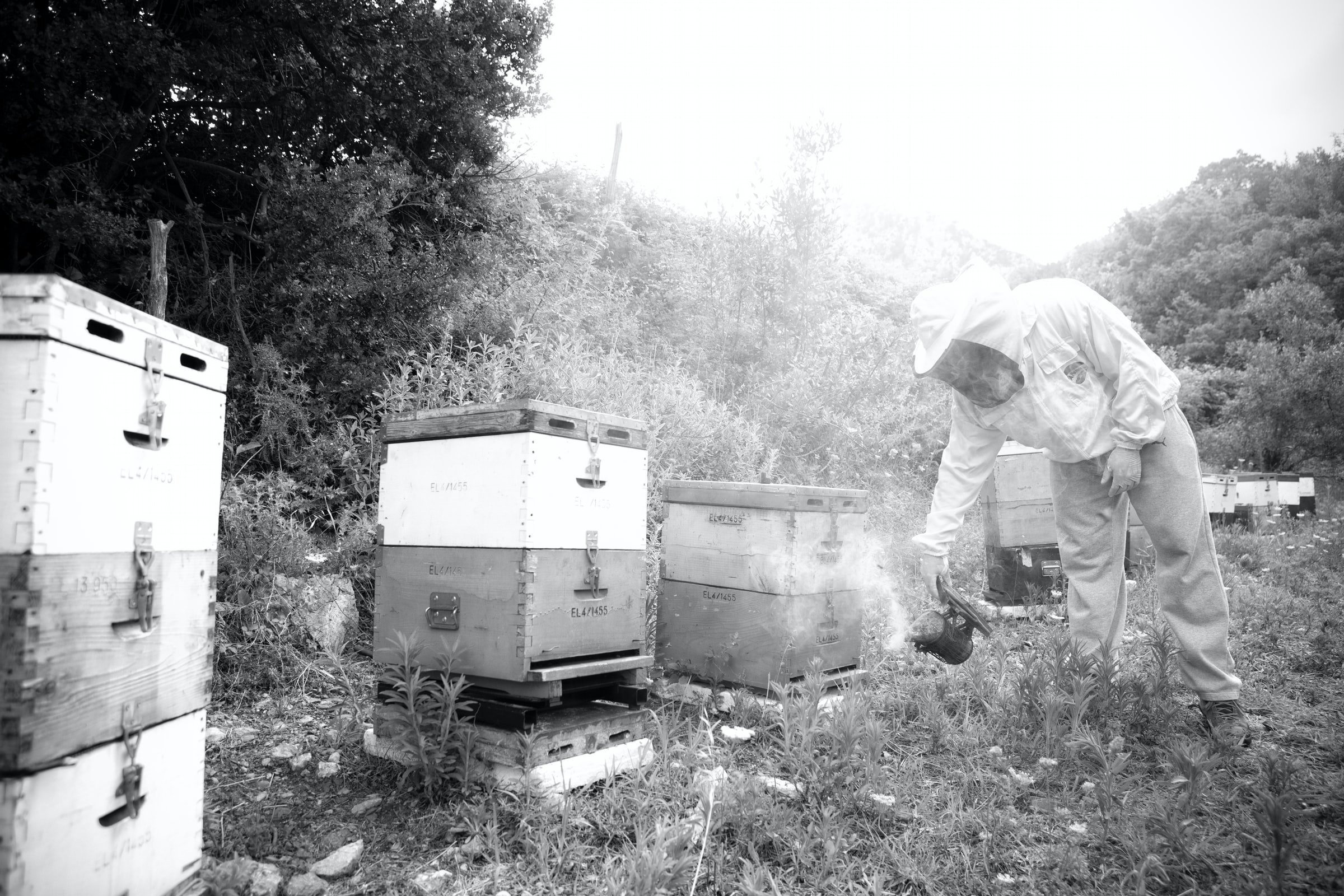
Swarmkeeper is the separate app for beekeepers and clubs who want to receive alerts and manage swarm responses.